|
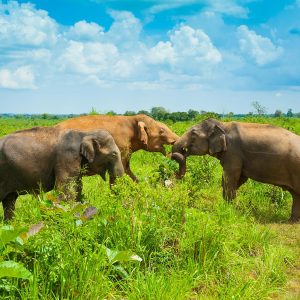
If you are someone who gets genuinely excited by the sight of a wild elephant emerging from the forest, a leopard resting beneath a tree, or a rare bird appearing unexpectedly through the branches, I have a destination I strongly recommend for your next adventure: Sri Lanka. Having travelled as a wildlife enthusiast, I have learned that the best wildlife experiences are not simply about how many animals you see. They are about the anticipation, the silence, the landscape, the unexpected encounters and the unforgettable moments when you realise you are watching a wild animal living completely on its own terms. Sri Lanka offers all of this within a remarkably compact island. Sri Lanka is exceptionally rich in biodiversity. Despite its relatively small size, the country contains a remarkable variety of ecosystems, from dry-zone forests and grasslands to rainforests, wetlands, mountains and surrounding ocean. Sri Lanka Tourism describes the island as having one of the world’s highest levels of biological endemism, with elephants, leopards, sloth bears, endemic birds and marine wildlife among its major attractions. For wildlife lovers, the real excitement begins when you enter one of Sri Lanka’s national parks. Yala, Wilpattu, Udawalawe, Minneriya, Kaudulla, Kumana, Bundala and Gal Oya each offer a different experience. Yala is particularly famous for its leopard opportunities, while Udawalawe is renowned for elephant encounters. Minneriya is especially fascinating during periods when elephants gather around the reservoir and surrounding grasslands. But please don’t go to Sri Lanka expecting a wildlife checklist. Go expecting the unexpected. A safari jeep may travel quietly along a forest track for twenty minutes without seeing anything remarkable. Then suddenly, everything changes. A movement in the bushes. A flash of spotted fur. An elephant standing beside the road. A crocodile lying motionless beside a waterhole. A colourful endemic bird flying across your view. These moments are what make wildlife travel so special. For photographers, Sri Lanka offers an extraordinary canvas. Imagine photographing elephants in the early morning light, a leopard moving through dry woodland, colourful endemic birds in the rainforest, or a dramatic sunset over a national park. The greatest photographs often come not from rushing from one sighting to another, but from patience, observation and understanding animal behavior. And Sri Lanka is much more than safari. A wildlife journey can be combined with ancient cultural sites, spectacular mountains, tea country, tropical forests, beautiful beaches, traditional villages and outstanding Sri Lankan cuisine. You can spend one day watching elephants and another exploring the misty highlands or relaxing beside the Indian Ocean. Sri Lanka Tourism highlights this extraordinary combination of wildlife, nature, heritage and coastal experiences. Perhaps most importantly, responsible wildlife tourism can contribute to protecting these remarkable ecosystems. Sri Lanka’s protected-area network plays an important role in conserving habitats and biodiversity, while the country’s wildlife is protected under legislation administered by the Department of Wildlife Conservation. So, my friends and fellow wildlife travelers, if you are looking for your next meaningful adventure, don’t think of Sri Lanka simply as another holiday destination. Think of it as a wildlife journey. Come with your camera, your curiosity and your patience. Come prepared not just to see animals, but to experience nature. And when you finally sit quietly in a safari jeep, surrounded by the sounds of the Sri Lankan wilderness, you may understand why I believe every passionate wildlife traveler should experience Sri Lanka at least once. |
| Sri Lanka Wildlife Tour Details |